10 Things to Think About When Buying a Dining Table (That Most People Don’t)
Buying a dining table usually starts with the obvious questions: size, seats, shape.
Important, yes — but they’re rarely the things people notice after the table arrives and real life begins.
This guide looks at the quieter details. The ones that affect how a table feels to live with, day in, day out.
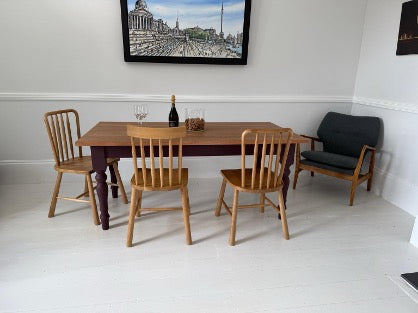
1. What does it look like when the chairs are tucked in?
Most of the time, the chairs are pushed in. A well-designed table still looks balanced and calm when it’s at rest.

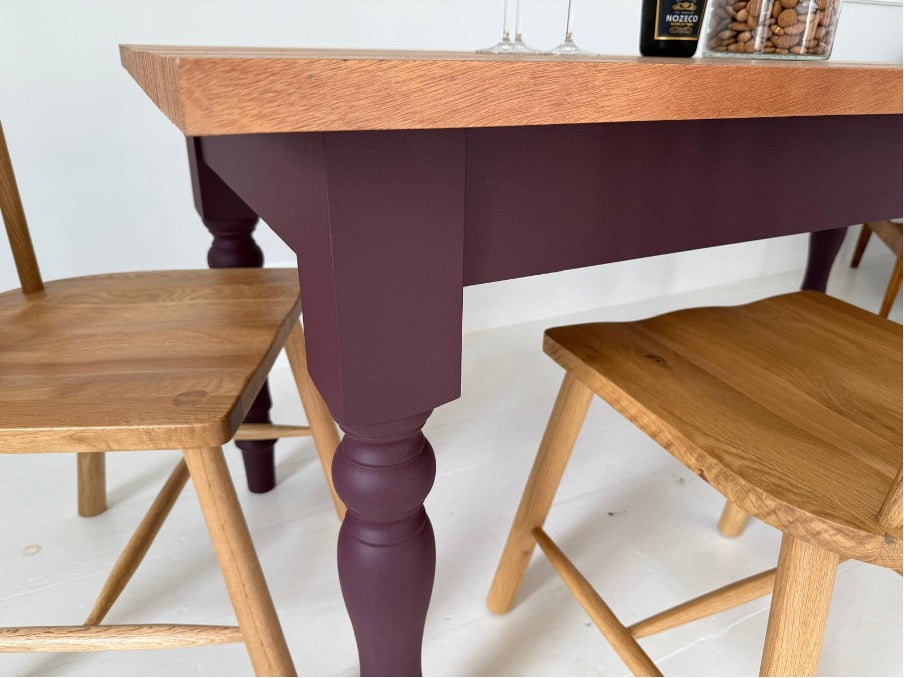
2. Do the leg styles suit the language of your home?
Legs should quietly echo the architecture around them — skirting boards, stair spindles, door frames.

Leg styles don’t exist in isolation — they’re having a conversation with your house.
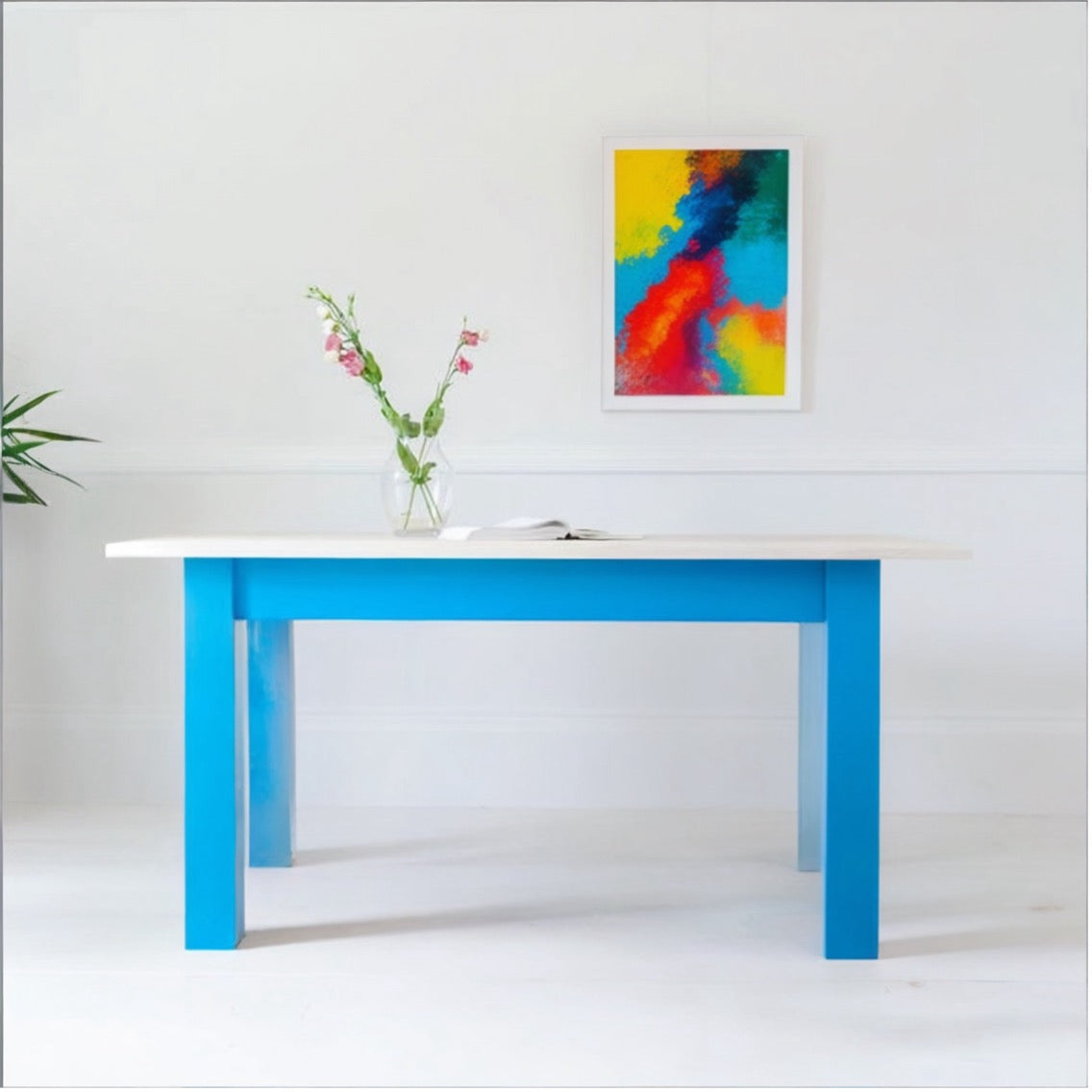
3. Is the colour right for the era of your home?
Colour works best when it feels settled rather than trendy.

Colour isn’t just about taste — it’s about context.
4. Is the overhang right for the style of the table?
Overhang affects personality as much as comfort.

Overhang changes more than legroom — it changes personality.
5. What does the table do when no one’s eating?
Tables live many lives: worktops, homework stations, quiet moments.

A dining table is rarely just for dining.
6. Do you want the table to blend in or quietly steal the show?
Some tables anchor a room. Others are happy to be noticed.

Not every table needs to shout — some just need to feel right.
7. How forgiving do you want it to be?
Finish choices affect how relaxed you feel using the table.

How you live with a table matters more than how it looks on day one.
8. What does the edge say about you?
Edges change how a table feels to touch and use.

You touch the edge more than any other part of the table.
9. Does it work with real chairs?
Real homes have mixed chairs, inherited pieces, favourites.

Real chairs. Real homes. Real life.
10. Will you still like it when trends move on?
Strong proportions outlast fashion.

Strong proportions age well.
A dining table is one of the hardest-working pieces of furniture in a home.
Get the overlooked details right, and it won’t just fit your space — it’ll feel like it was always meant to be there.